Author: Dominik Szobak

Dominik Szobak is the founder and writer behind ArtworkPost. He started the site out of a simple conviction: that the world's most famous artworks are far more fascinating once you know the stories behind them. He digs into the history, symbolism, and small details that most people walk right past, and enjoys making art history approachable for anyone curious enough to look closer.
  • Pantheon

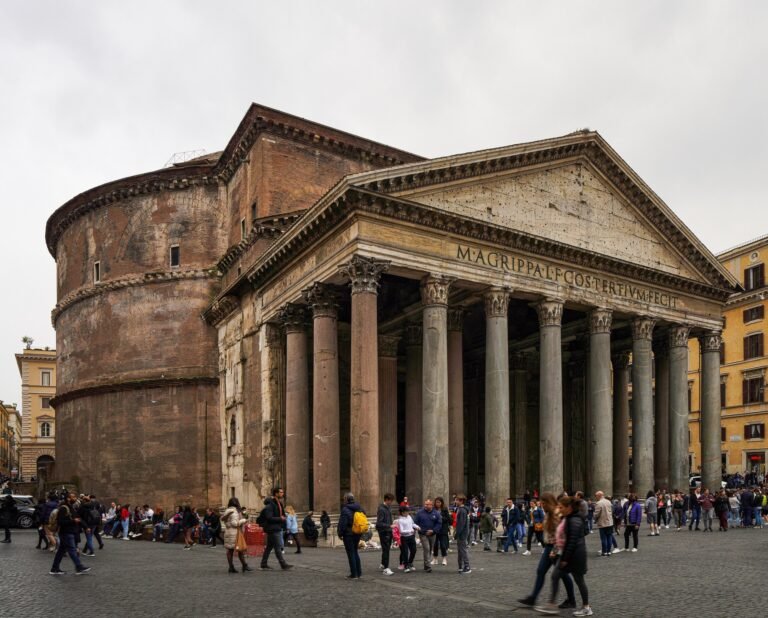
    The Pantheon has stood virtually intact for nearly 1,900 years — and for more than 1,300 of those years, its extraordinary concrete dome was the largest in the entire world. No other ancient building on Earth can claim that kind of unbroken reign over human engineering. Quick Facts Artist: Unknown Year: 125 AD Medium: Architecture…
  • The Thinker

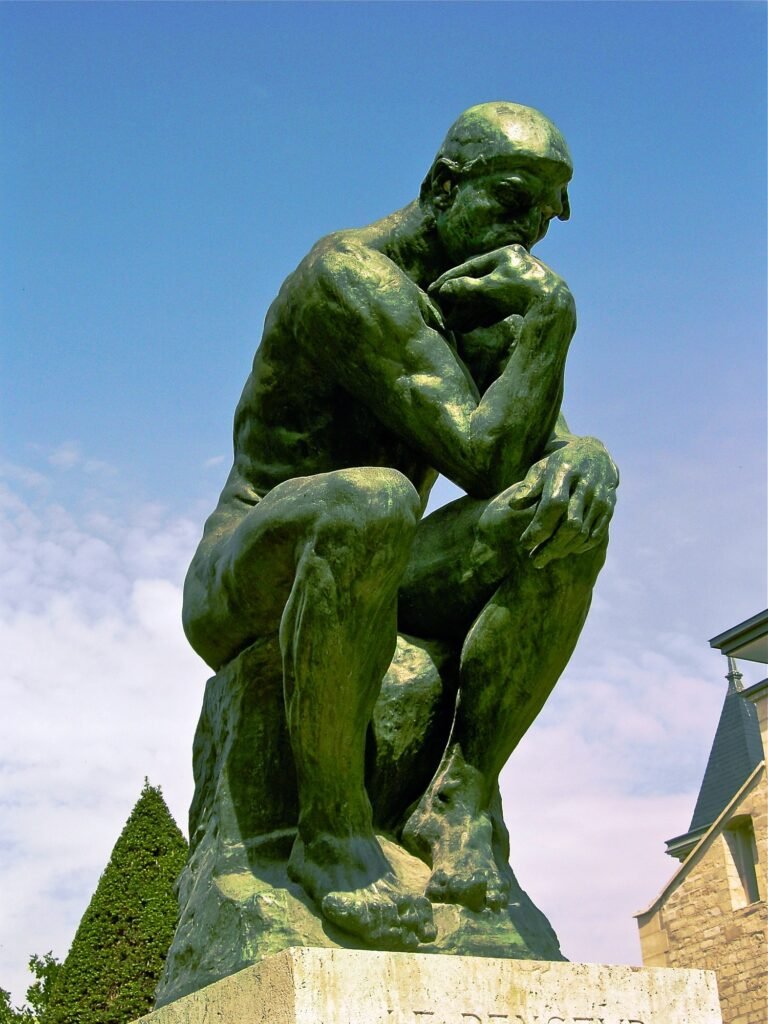
    Most people assume The Thinker was always meant to be a standalone sculpture — but it was originally conceived as a tiny figure sitting above the gates of hell, representing the poet Dante gazing down at the damned souls below him. Quick Facts Artist: Auguste Rodin Year: 1902 Medium: Bronze Dimensions: 186 cm × 98…

  • Venus de Milo

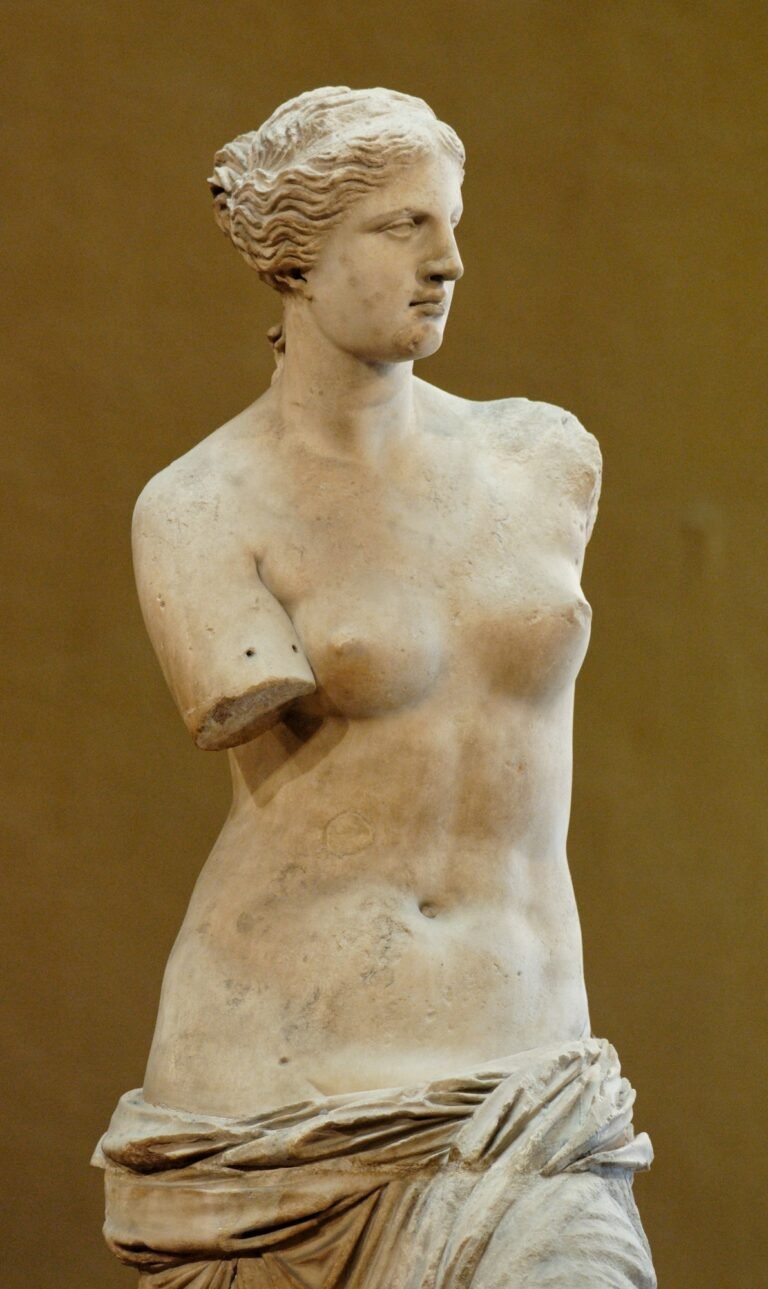
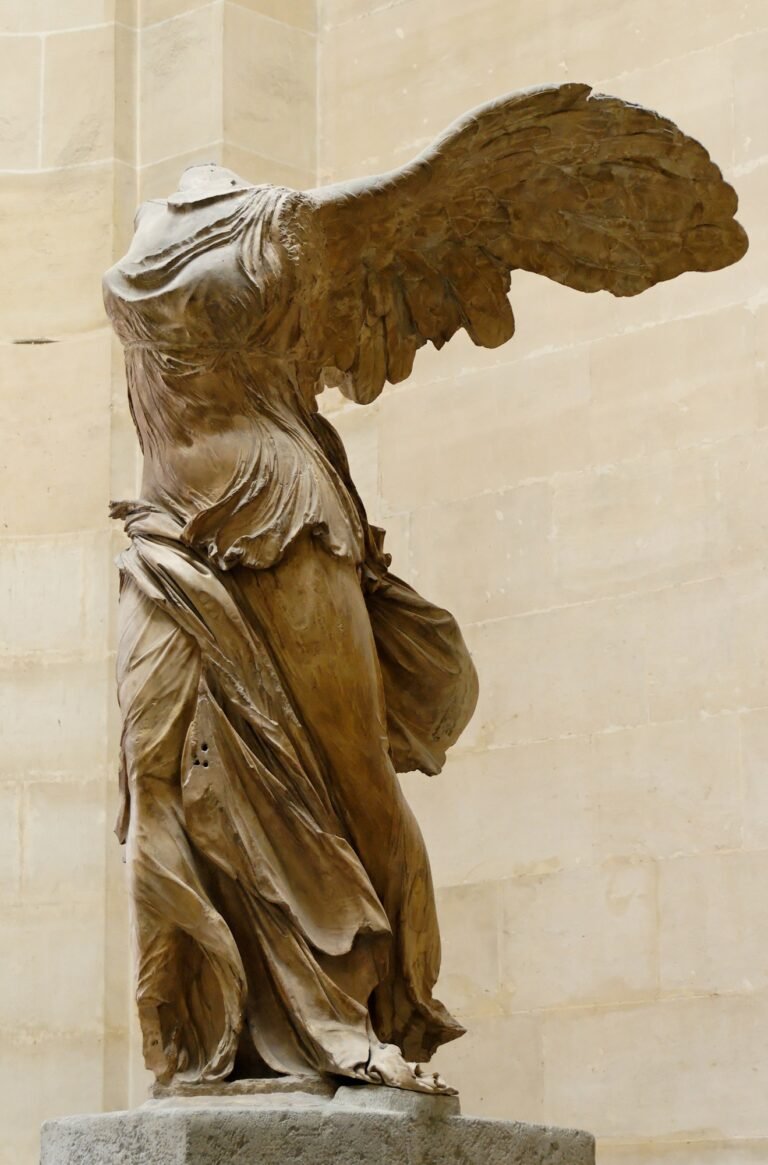
    Every year, millions of visitors squeeze into a crowded gallery on the ground floor of the Louvre, craning their necks for a glimpse of a goddess — yet the Venus de Milo has no arms, no known creator, and no definitive explanation for what she was originally holding. That mystery, far from diminishing her appeal,…

  • Michelangelo’s David

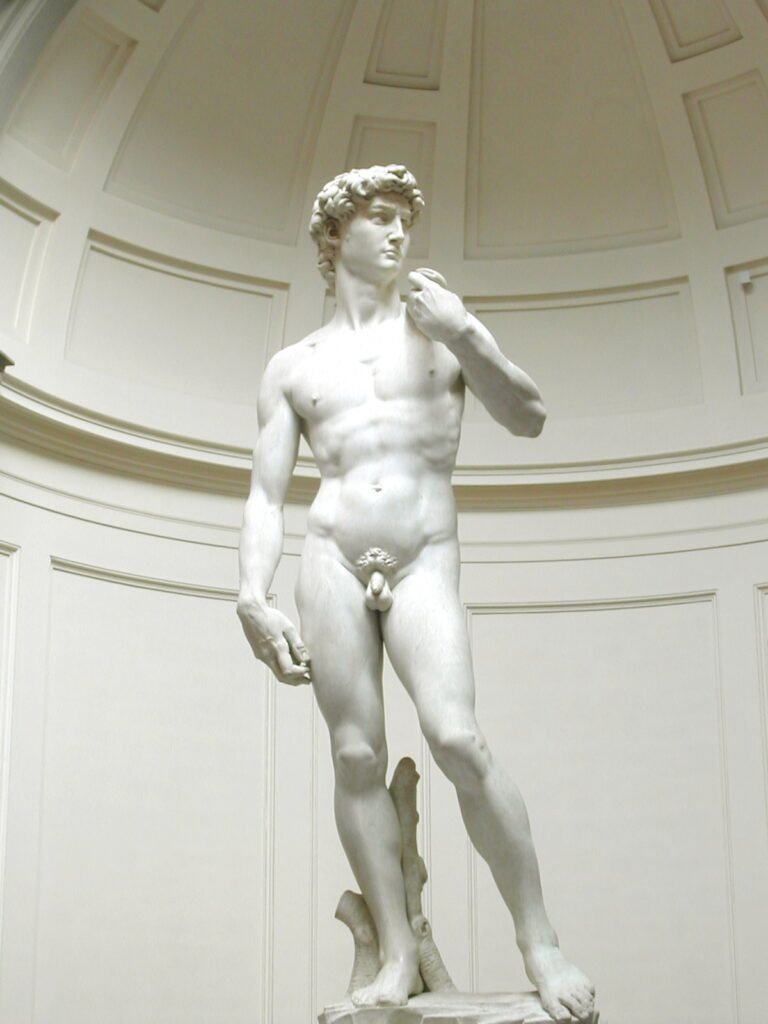
    Most people assume Michelangelo’s David depicts a triumphant hero standing over a defeated giant — but the sculpture actually captures the moment before the battle, when David is tense, calculating, and quietly terrified. Quick Facts Artist: Michelangelo Year: 1504 Medium: Carrara marble Dimensions: 5.17 metres (approximately 17 feet) tall Movement: Renaissance Current location: Galleria dell’Accademia,…

  • The Creation of Adam

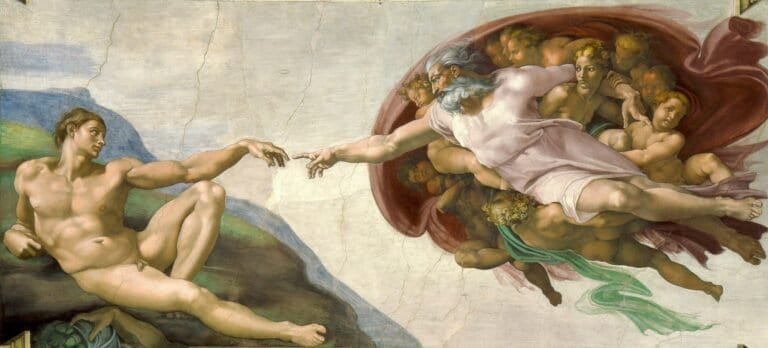
    Most people recognize the outstretched fingers at the center of The Creation of Adam — but almost nobody realizes that the swirling red cloak and figures surrounding God in this iconic fresco form a shape that is anatomically identical to a human brain, a detail that has sparked centuries of debate about whether Michelangelo secretly…

  • Las Meninas

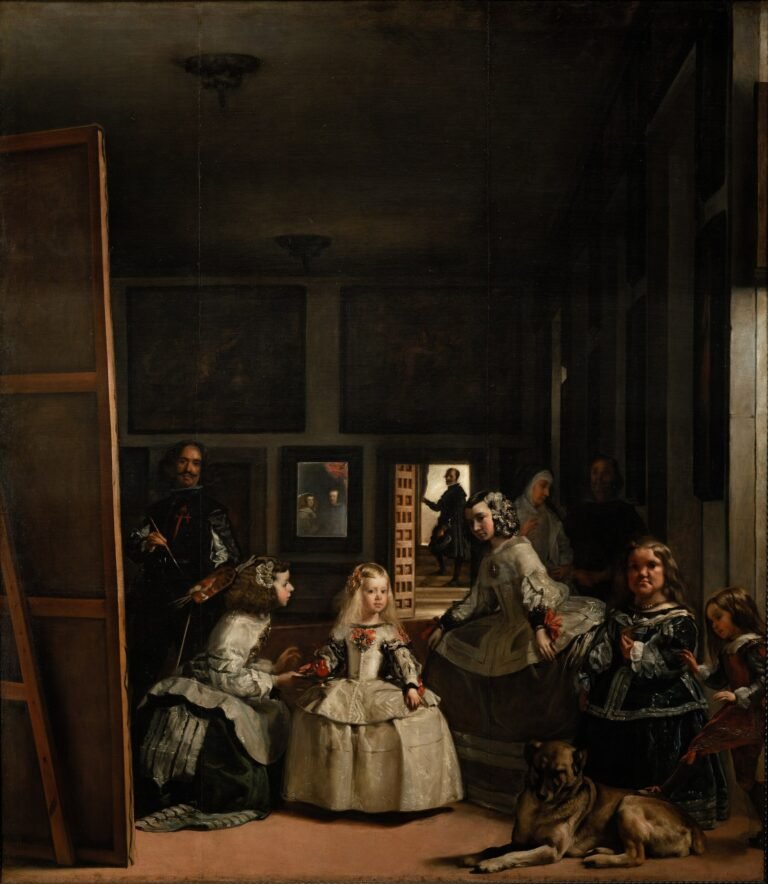
    Most visitors who stand before Las Meninas for the first time experience a quietly unsettling feeling — as if they have just walked into a room uninvited, and everyone in it already knew they were coming. Quick Facts Artist: Diego Velázquez Year: 1656 Medium: Oil on canvas Dimensions: 318 cm × 276 cm (125.2 in…

  • The Kiss

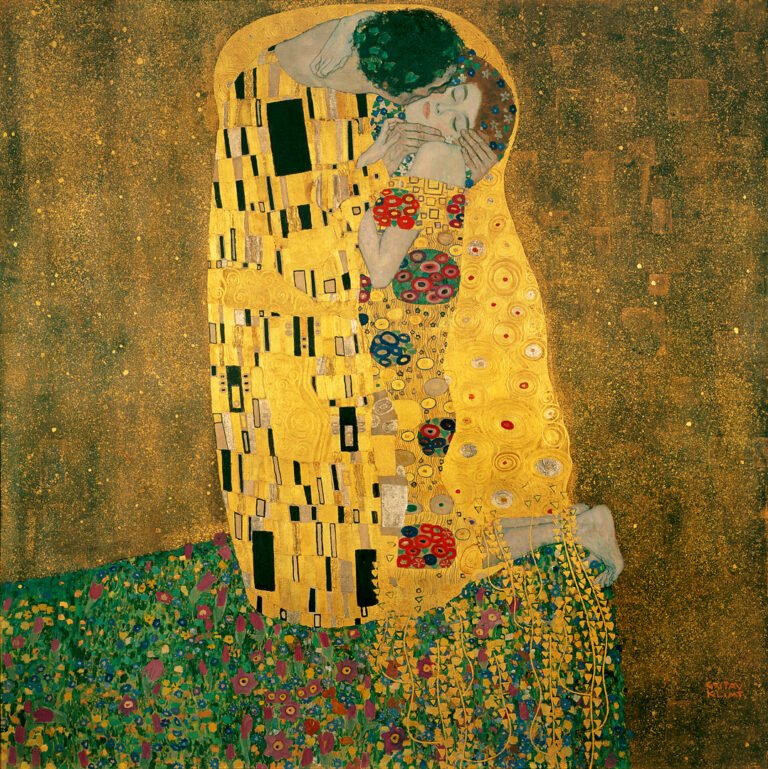
    Every year, millions of people stand before a single painting and feel something close to breathless — yet most of them don’t realise that the glittering gold surface they’re admiring isn’t paint at all, but actual gold leaf pressed onto the canvas by an artist who once trained as a mosaic craftsman. Quick Facts Artist:…

  • The Night Watch

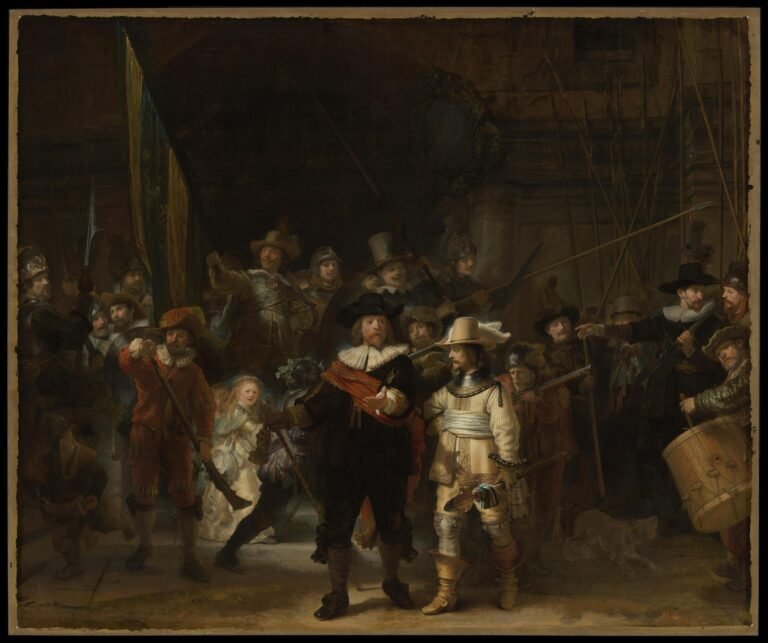
    Most people assume one of the world’s most famous paintings depicts a dramatic nighttime scene — but The Night Watch actually takes place in broad daylight, and the “darkness” is largely the result of centuries of yellowed varnish that was only cleaned away in the 20th century. Quick Facts Artist: Rembrandt van Rijn Year: 1642…

  • Water Lilies

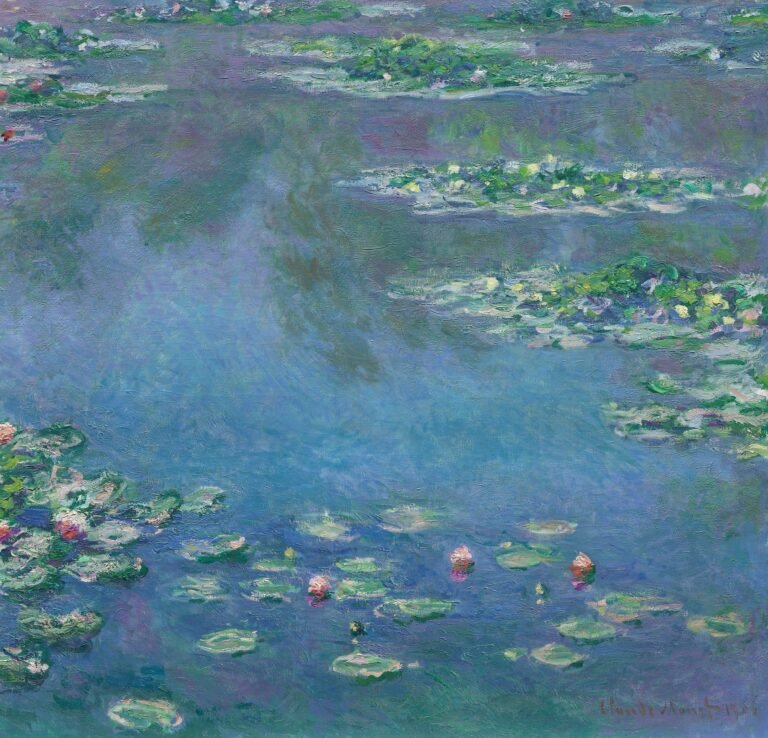
    Here is a number that might stop you mid-scroll: Claude Monet painted roughly 250 versions of Water Lilies — and the 1906 canvas now hanging in the Art Institute of Chicago is widely considered one of the most breathtaking of them all, created at a moment when Monet was pushing paint further from reality than…