Painting

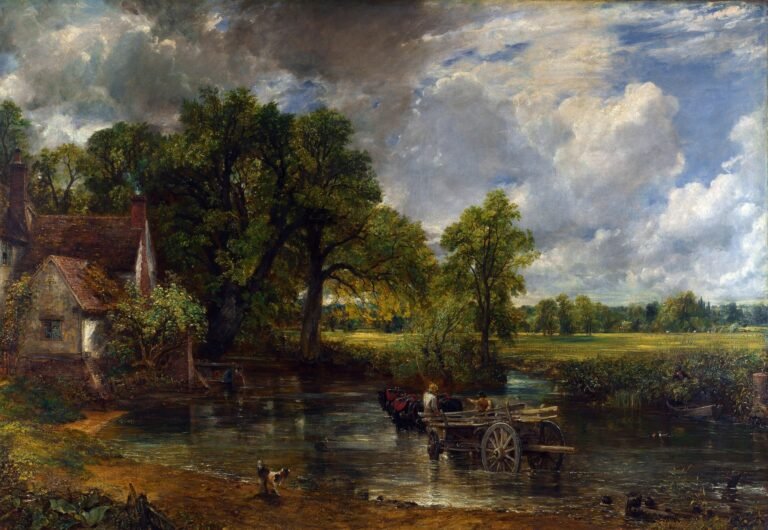
  • The Hay Wain

    When The Hay Wain was first exhibited at the Royal Academy in 1821, British critics largely ignored it — yet French artists were so electrified by the painting that they reportedly repainted their own canvases on the spot after seeing it displayed in Paris just three years later. Quick Facts Artist: John Constable Year: 1821…
  • The Creation of Adam

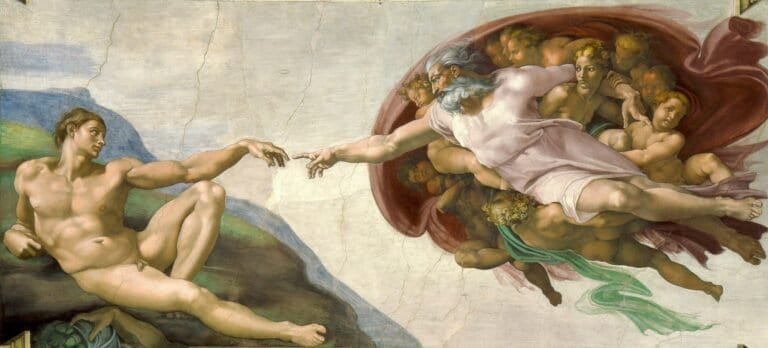
    Most people recognize the outstretched fingers at the center of The Creation of Adam — but almost nobody realizes that the swirling red cloak and figures surrounding God in this iconic fresco form a shape that many researchers say mirrors a cross-section of the human brain, a detail that has sparked decades of debate about…

  • Las Meninas

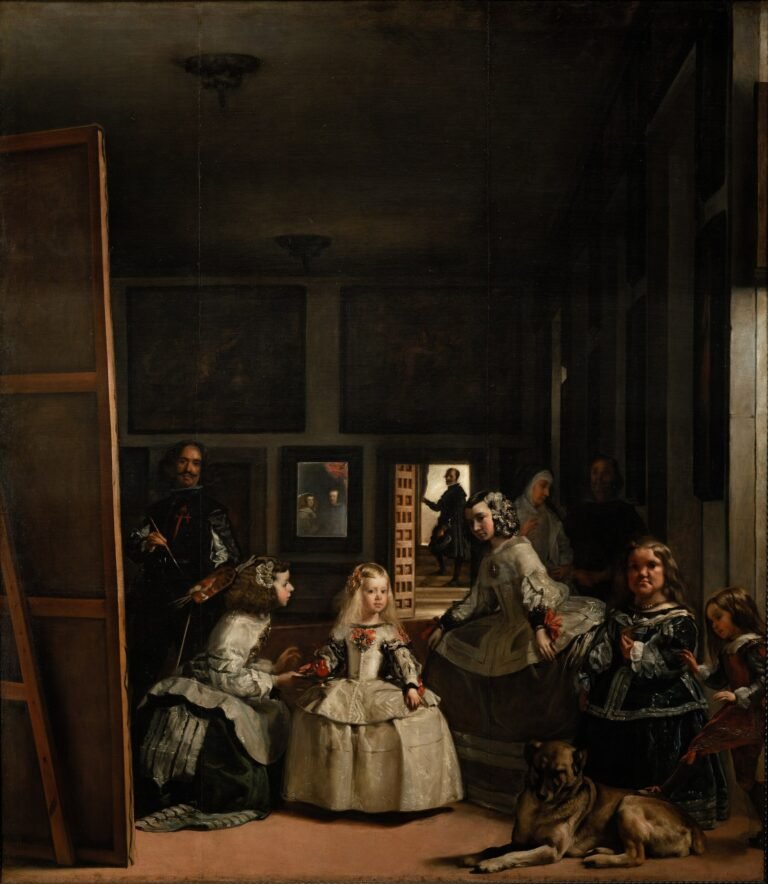
    Most visitors who stand before Las Meninas for the first time experience a quietly unsettling feeling – as if they have just walked into a room uninvited, and everyone in it already knew they were coming. Quick Facts Artist: Diego Velázquez Year: 1656 Medium: Oil on canvas Dimensions: 318 cm × 276 cm (125.2 in…

  • The Kiss

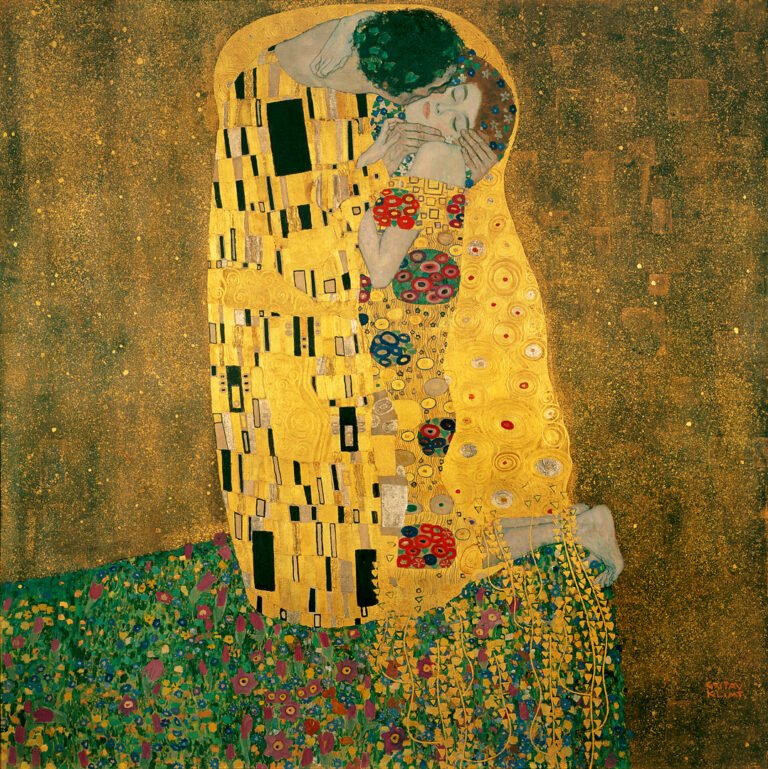
    Every year, millions of people stand before a single painting and feel something close to breathless — yet most of them don’t realise that the glittering gold surface they’re admiring isn’t paint at all, but actual gold leaf, applied by an artist who grew up watching his father engrave the same metal for a living….

  • The Night Watch

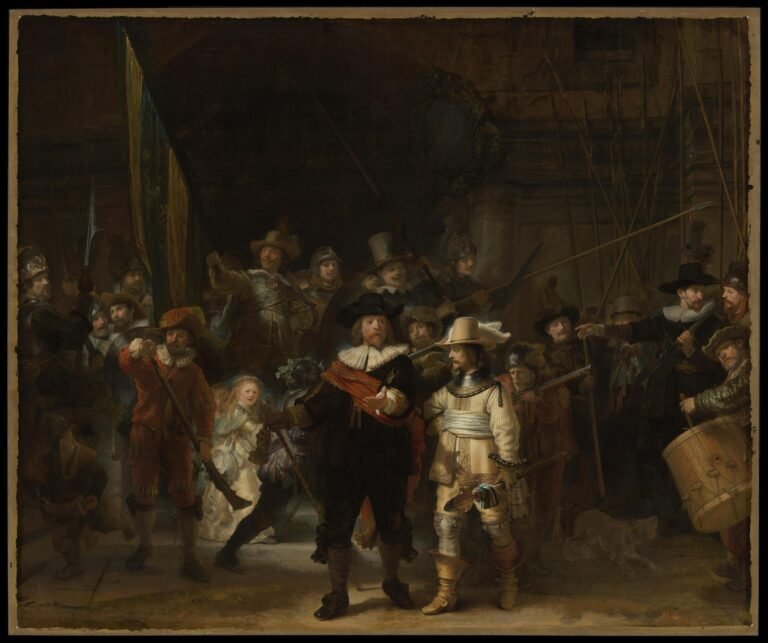
    Most people assume one of the world’s most famous paintings depicts a dramatic nighttime scene — but The Night Watch actually takes place in broad daylight, and the “darkness” is largely the result of centuries of yellowed varnish that was only cleaned away in the 20th century. Quick Facts Artist: Rembrandt van Rijn Year: 1642…

  • Water Lilies (1906)

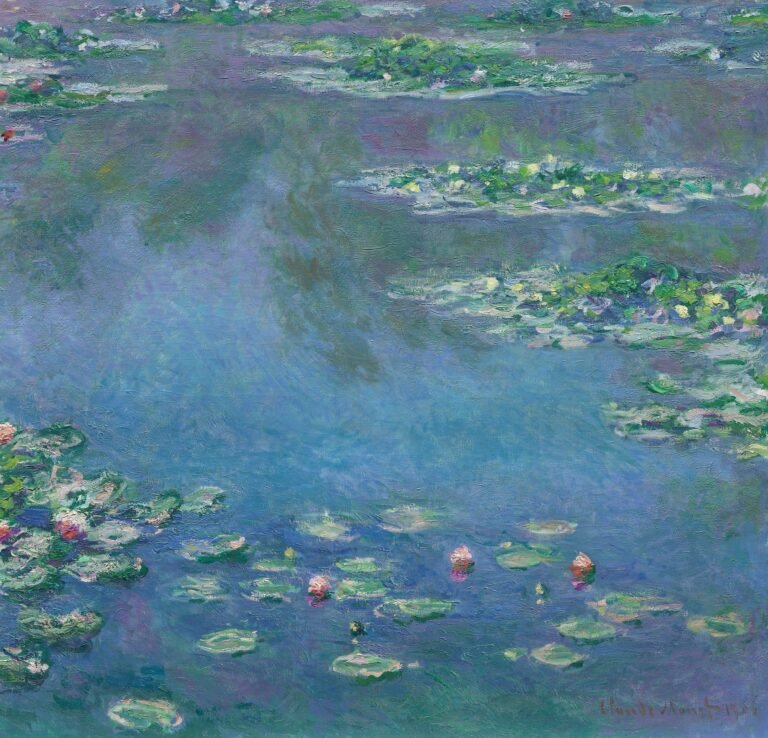
    Here is a number that might stop you mid-scroll: Claude Monet painted roughly 250 versions of Water Lilies – and the 1906 canvas now hanging in the Art Institute of Chicago sits at the exact midpoint of that obsession, created at a moment when Monet was pushing paint further from reality than almost any Western…

  • The Scream

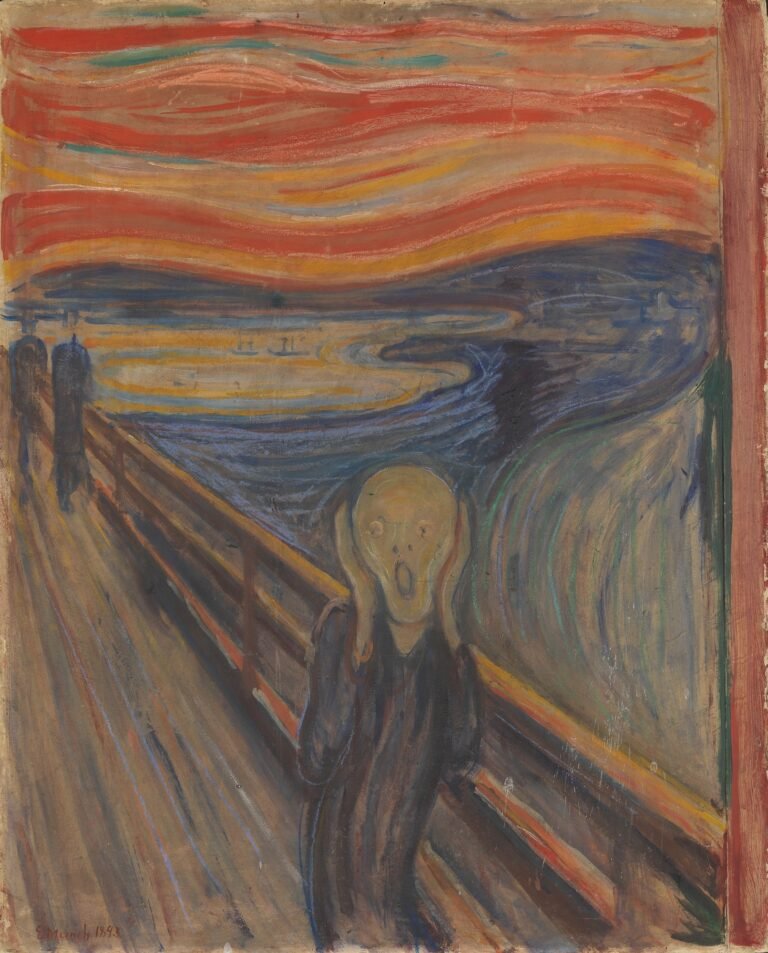
    Most people recognize The Scream instantly — but almost nobody knows that Edvard Munch was inspired to paint it after watching the sky turn blood-red during a real evening walk, an effect often attributed to the atmospheric fallout from the catastrophic 1883 eruption of Krakatoa. Quick Facts Artist: Edvard Munch Year: 1893 Medium: Oil, tempera,…

  • The Last Supper

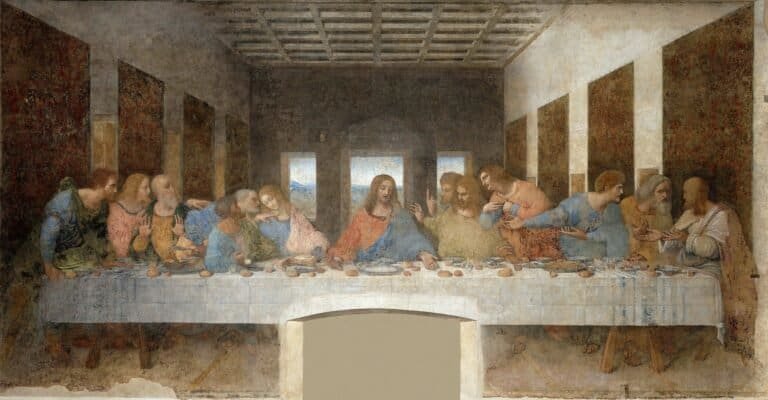
    Here is a fact that stops most people in their tracks: The Last Supper was never painted on canvas. Leonardo da Vinci applied his pigments directly onto a dry plastered wall using a pioneering experimental technique — and within just a few decades of its completion, the paint had already begun to flake. The miracle…

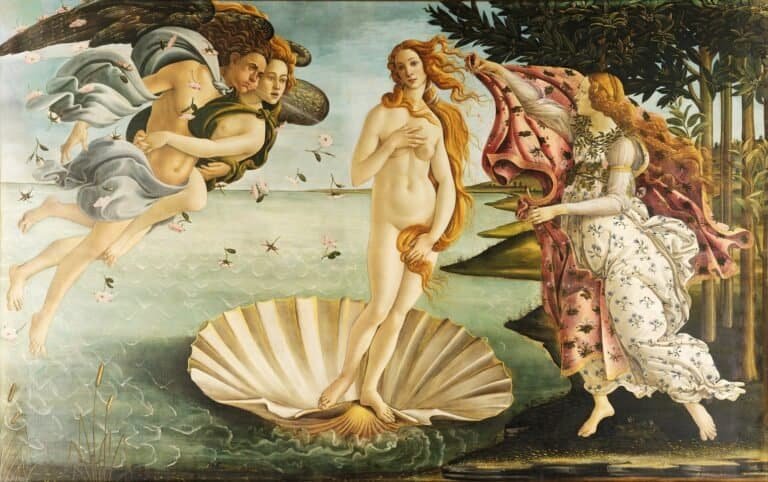
  • The Birth of Venus

    Here is a fact that stops most people in their tracks: The Birth of Venus was painted on canvas — not wood panel — at a time when nearly every major Italian altarpiece and large-scale painting was produced on wood, making it one of the earliest surviving large-format canvas paintings in Western art history. Quick…