19th century art

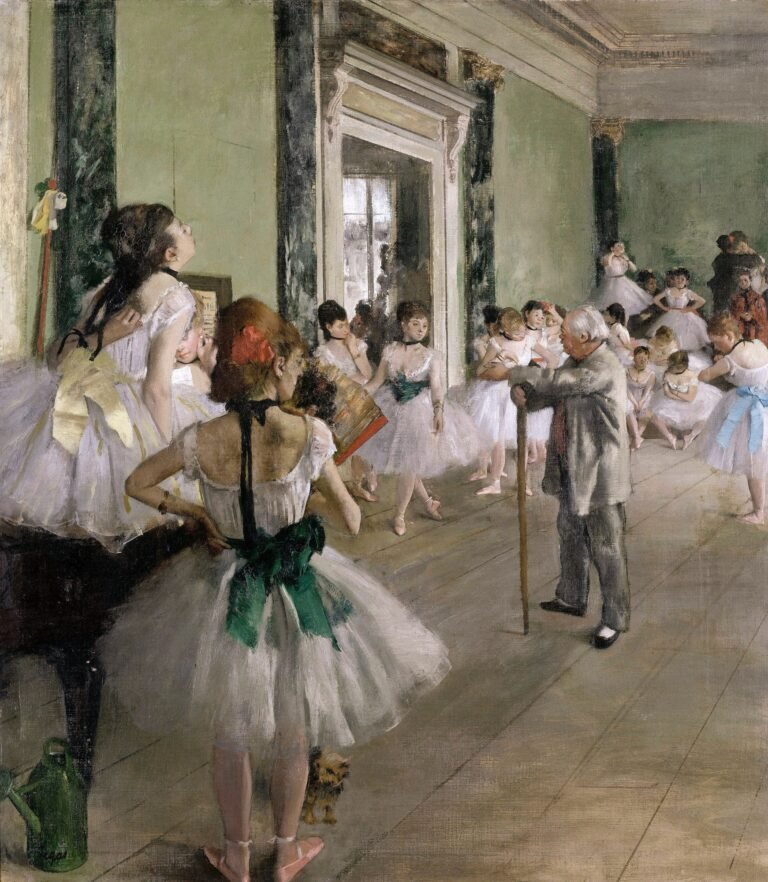
  • The Dance Class

    Here is a striking thought: one of the most celebrated images of ballet in all of Western art was never meant to glamorize the stage. The Dance Class, painted by Edgar Degas in 1874, reveals something far more honest — the sweat, boredom, and discipline hiding behind every graceful performance. Quick Facts Artist: Edgar Degas…

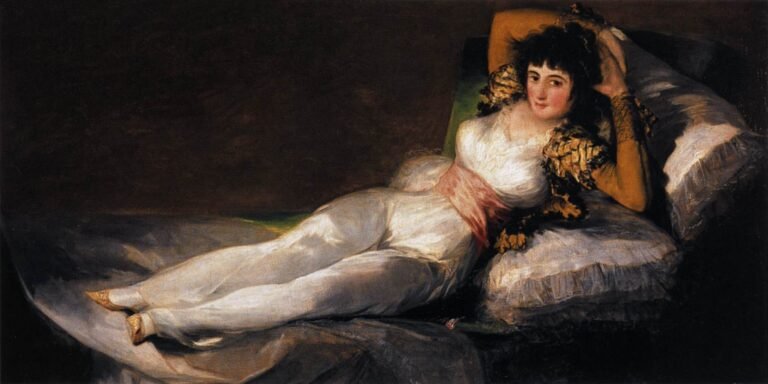
  • The Clothed Maja

    Here is a puzzle that has fascinated art lovers for over two centuries: The Clothed Maja was almost certainly painted after its famous nude companion — meaning Goya dressed his model rather than undressing her, deliberately reversing the usual artistic logic of the time. Quick Facts Artist: Francisco Goya Year: c. 1800–1807 (commonly cited as…

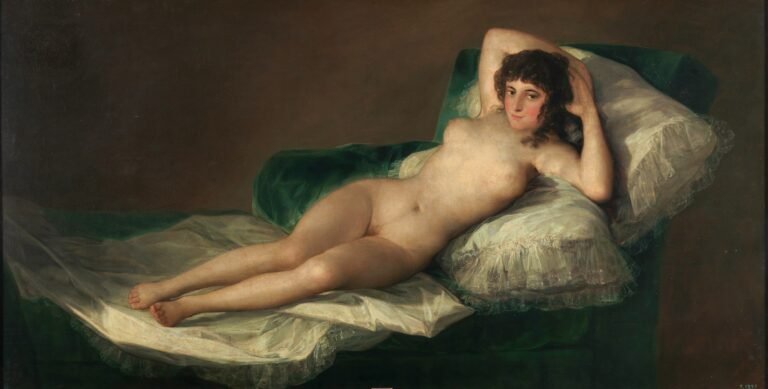
  • The Nude Maja

    When The Nude Maja was first unveiled in early nineteenth-century Spain, its existence was so scandalous that the Spanish Inquisition summoned Francisco Goya himself to explain who had commissioned it and why — making it one of the few paintings in history to trigger a formal religious investigation. Quick Facts Artist: Francisco Goya Year: c….

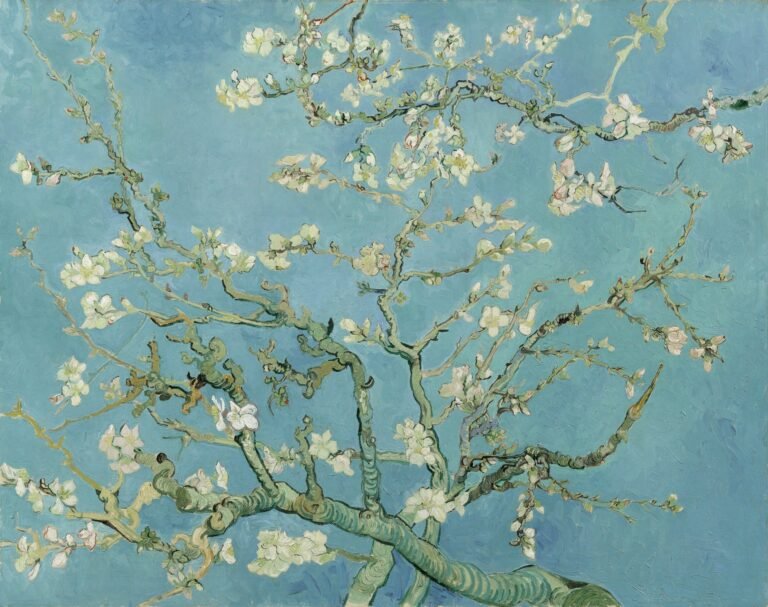
  • Almond Blossoms

    Here is a striking thought: Almond Blossoms was not painted for a gallery, a patron, or posterity — Vincent van Gogh created it as a gift to welcome a newborn baby into the world. That intimate, joyful origin story makes this luminous painting one of the most personally charged works in all of Post-Impressionism, yet…

  • Sunflowers

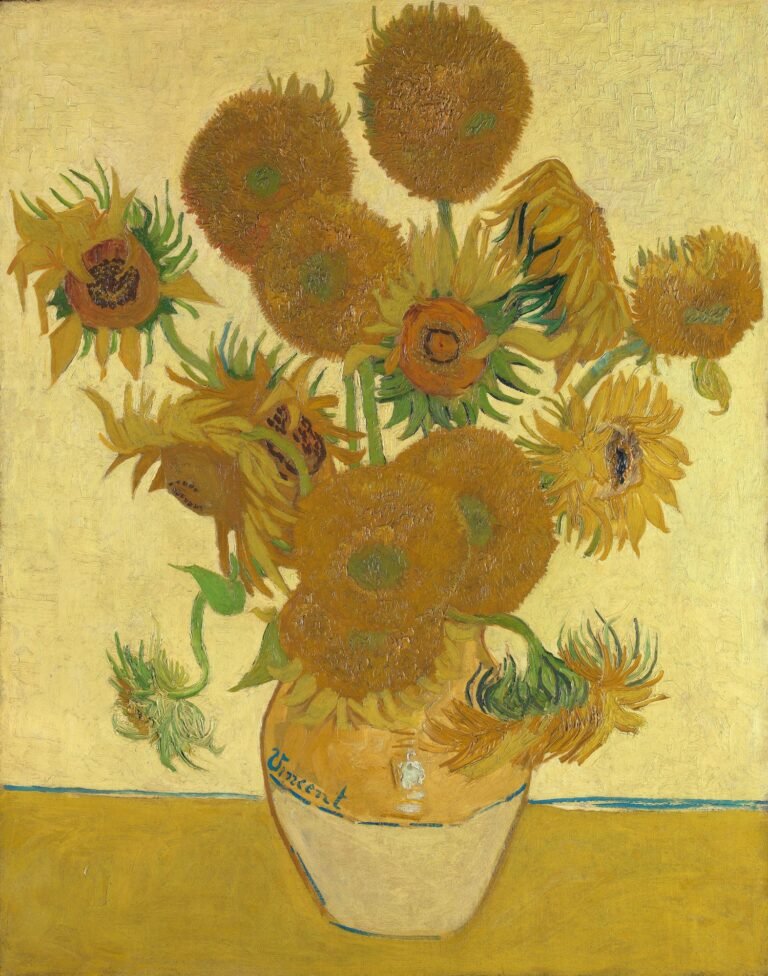
    Here is a fact that stops most people in their tracks: Vincent van Gogh painted the iconic Sunflowers series not as a simple still life exercise, but as a deliberate act of friendship — decorating his home in Arles to welcome fellow artist Paul Gauguin, hoping the vivid blooms would impress his guest and cement…

  • The Third of May 1808

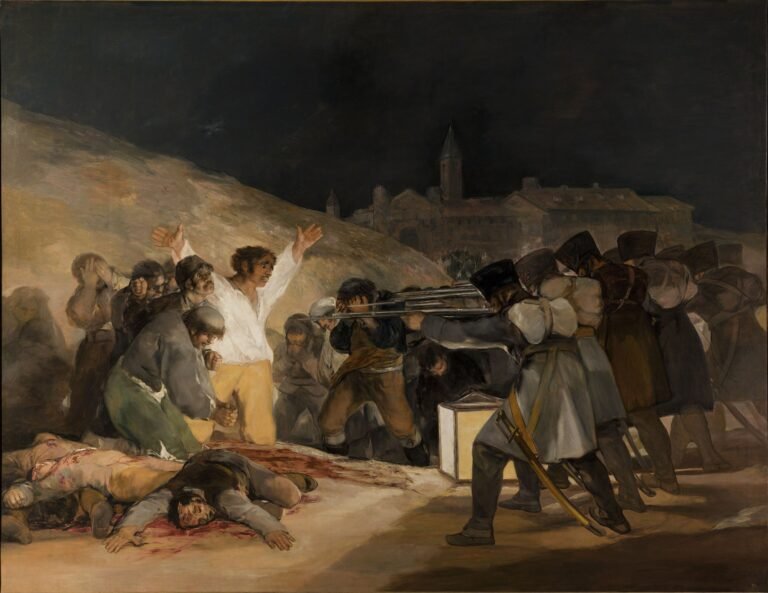
    Most war paintings celebrate victory — but The Third of May 1808 does something far more radical: it forces you to stand with the condemned, staring down the barrels of anonymous rifles, and feel the full, brutal weight of state violence. Painted six years after the events it depicts, this work by Francisco Goya became…

  • Impression Sunrise

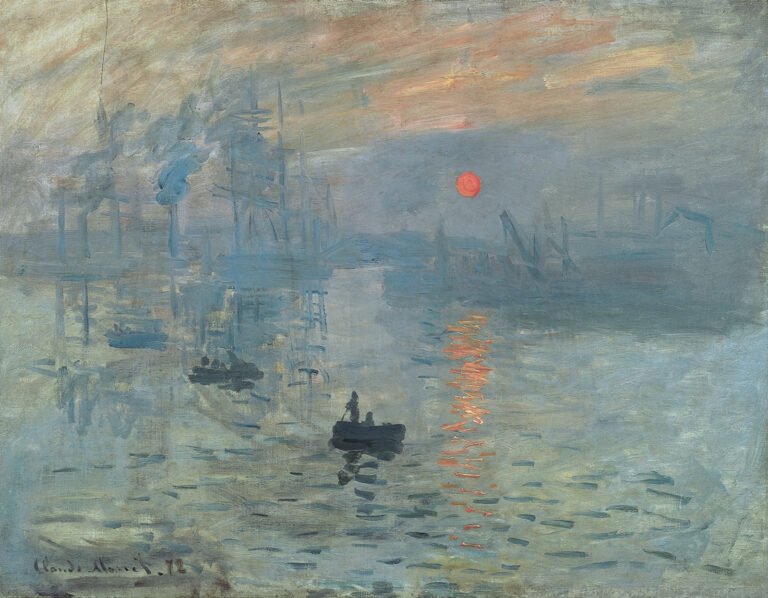
    A single painting accidentally named an entire art movement — and its creator didn’t even mean to title it anything grand. Impression Sunrise, dashed off by Claude Monet in 1872, was described by a dismissive critic as mere “impression” work, and Monet essentially shrugged and agreed. That offhand insult became the badge of honor for…

  • Liberty Leading the People

    Most people assume Liberty Leading the People depicts the French Revolution of 1789 — but it doesn’t. Eugène Delacroix painted this electrifying masterpiece in 1830, just weeks after a different uprising shook Paris and toppled King Charles X from his throne. That single misconception tells you everything about how powerfully this image has burned itself…